If It’s Springtime - This Must Be Altoona
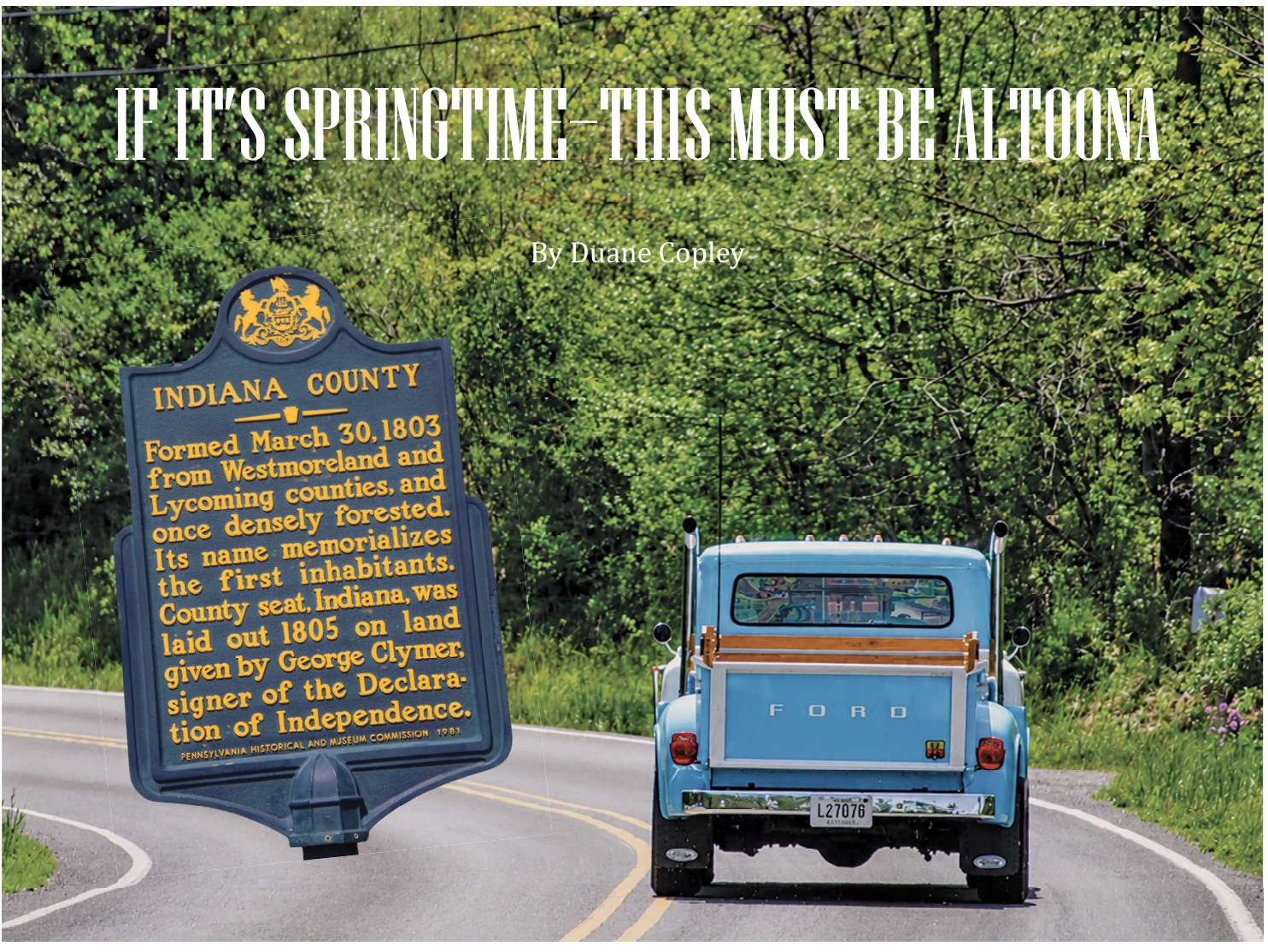
Who would have thought going on tour in the middle of May would make a person pause to reflect on the efficiency of the heater in their antique car or to be sure they had a scraper in case we had frost? Well, that was the status of the weather on hand as the Mid-Atlantic Region members made their way to Altoona, Pennsylvania, for the 2026 Spring Tour on May 17-21.
By midday Sunday most of the 48 attendees with 23 cars and trucks had checked in. We gathered in the well-stocked hospitality room and caught up on the happenings over the winter months.
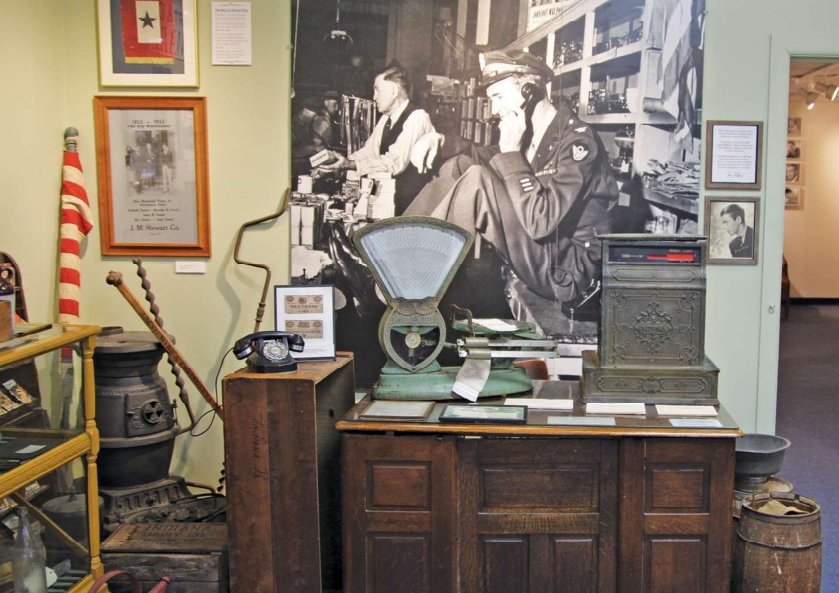
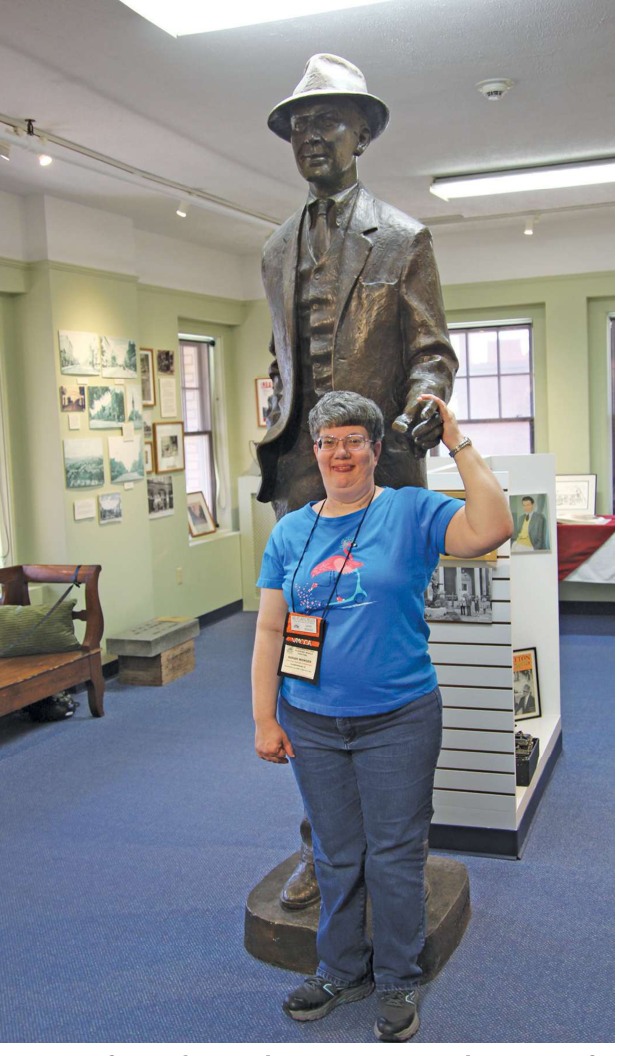
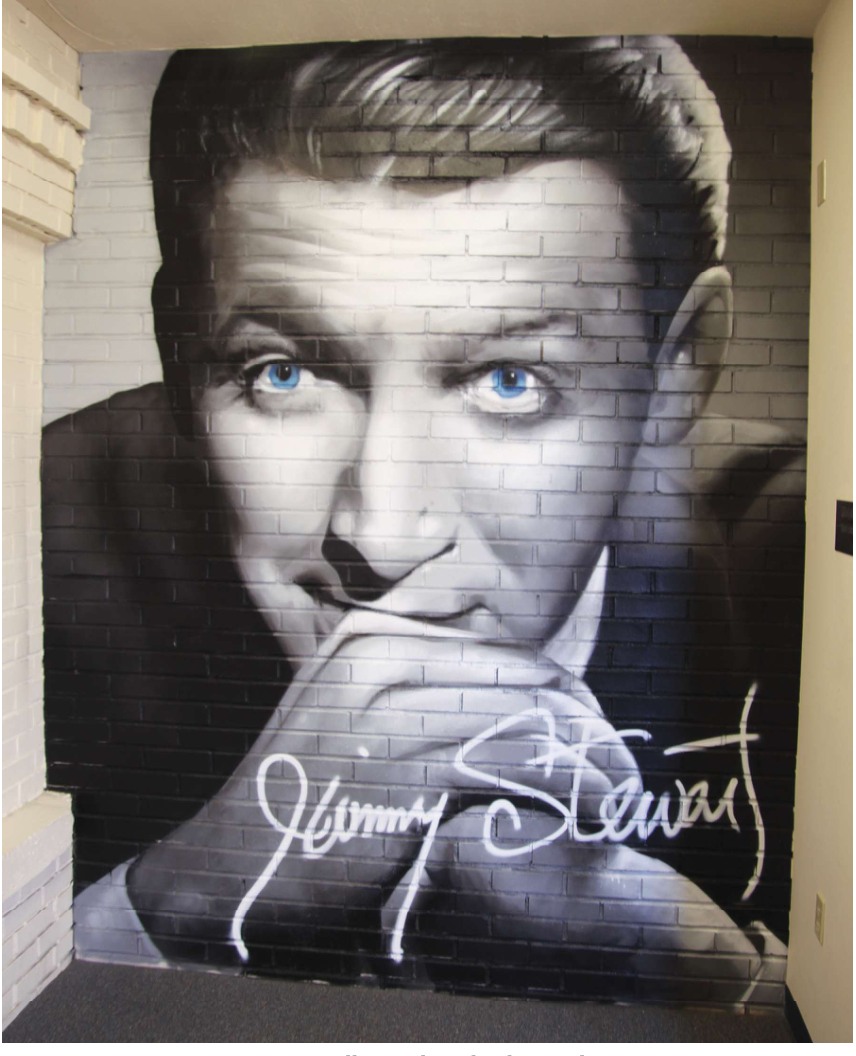
On Monday we drove off in the direction of Indiana, Pennsylvania, for a visit to the Jimmy Stewart Museum. I would never have guessed that he was in 92 major movies and TV presentations and that he was an active member of the military reserves. While one could easily have spent the day learning about his long career, we needed to make our way to Johnstown and the Johnstown Flood Museum.
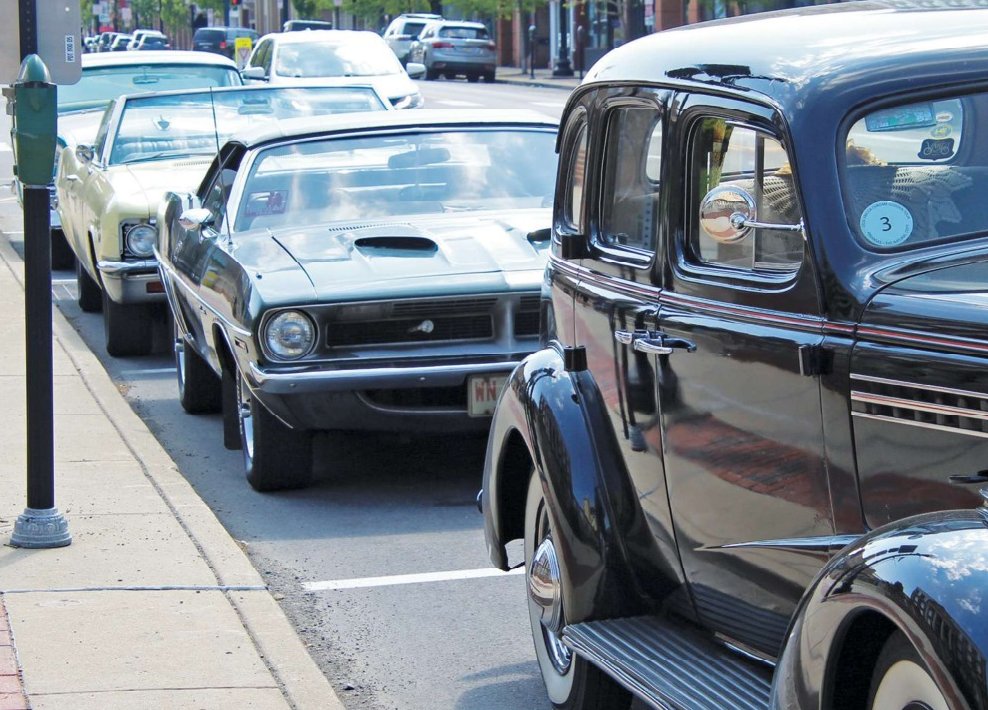
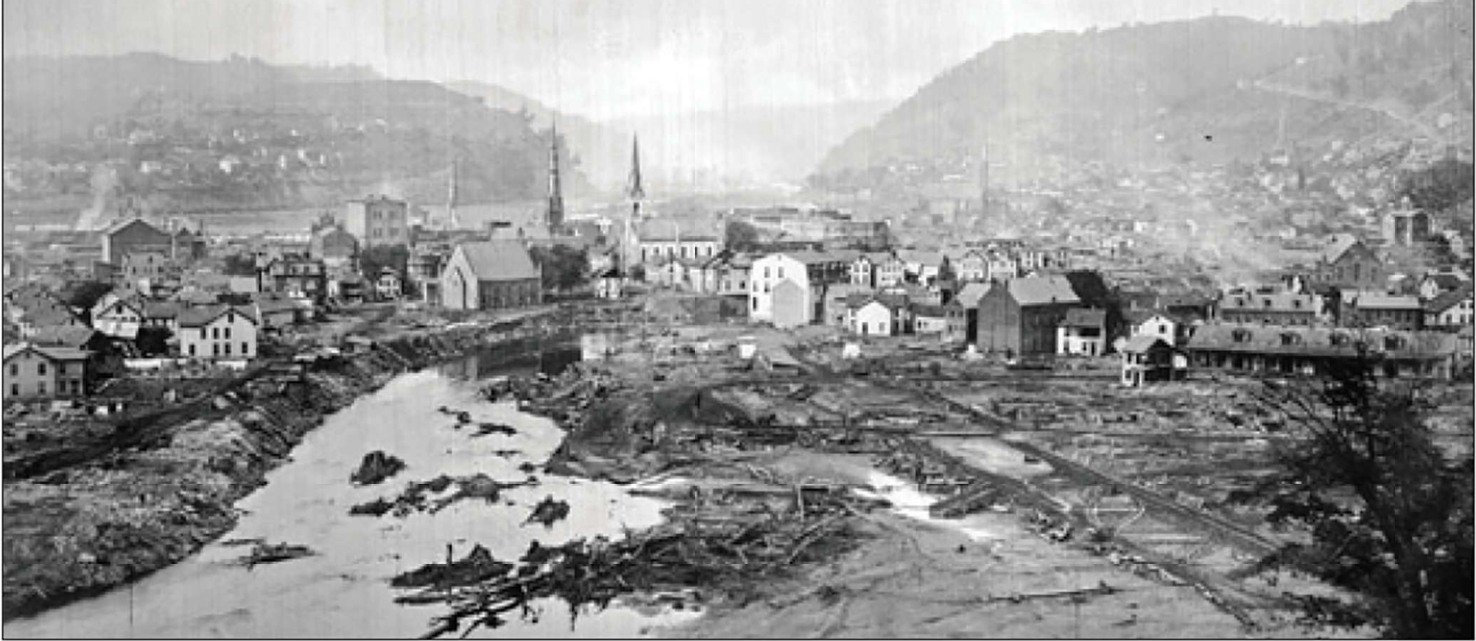
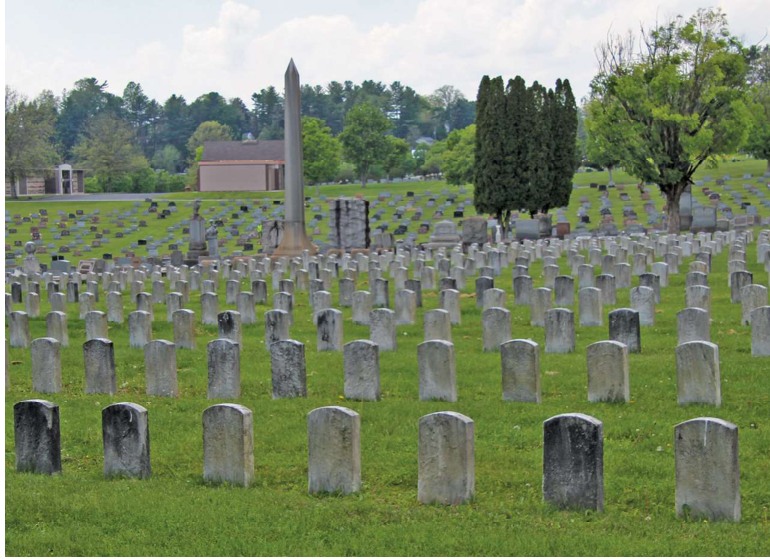
Flooded not once, but three times (1889, 1936, and 1977), Johnstown has recovered and has not forgotten the devastation and death that has given that city such national recognition. The Johnstown Flood Museum and the National Memorial did an outstanding job of explaining what, where, and how the floods occurred. While in town we also visited the Grandview Cemetery where 800 of the 2,000 souls who died during the 1889 flood, but could not be identified, were interred.
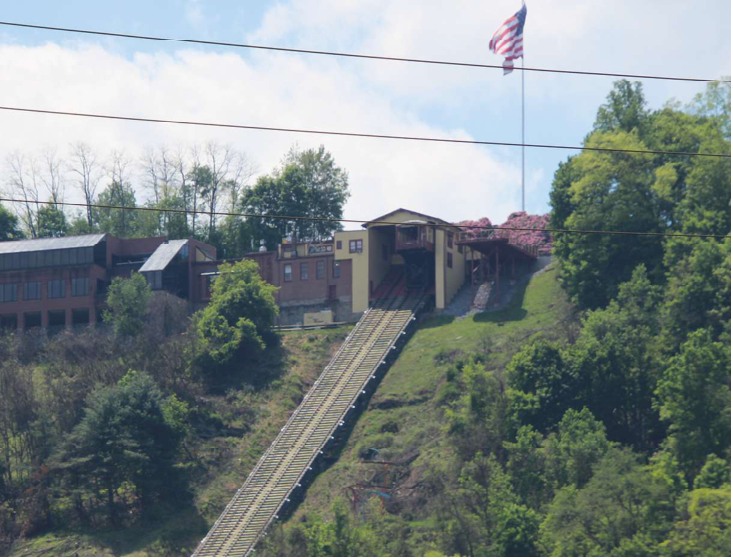
Our last stop on Monday was the famed “Inclined Plane” which was built two years after the first flood. While not currently in service, it was used to carry people and vehicles up the very steep mountainside alongside the river and city of Johnstown.
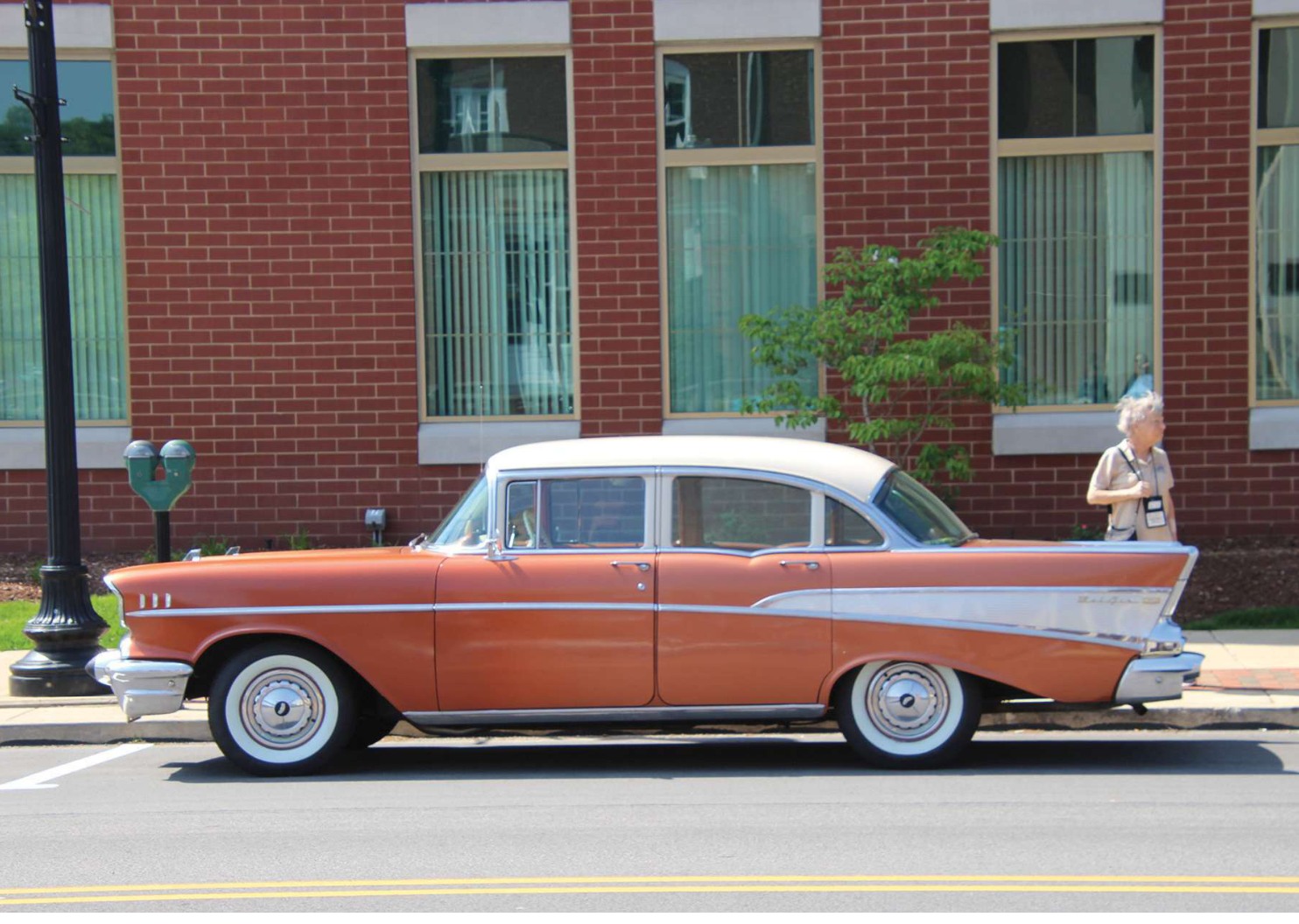
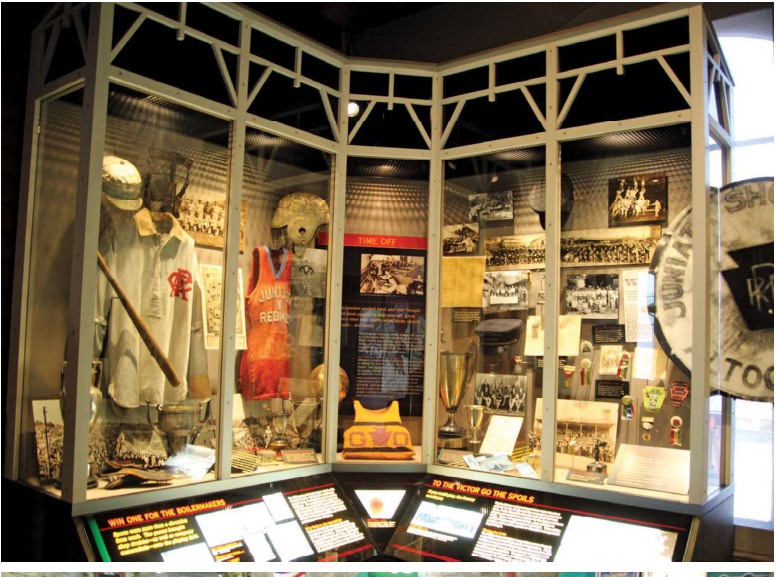
Tuesday we were off to Huntingdon, Pennsylvania, and the first stop was to the Isett Heritage Museum. For most of us it was a trip back in time to our childhood. There are over 40,000 artifacts depicting the many things we grew up with that have now become items on display for other generations to view and then wonder how we ever made it!
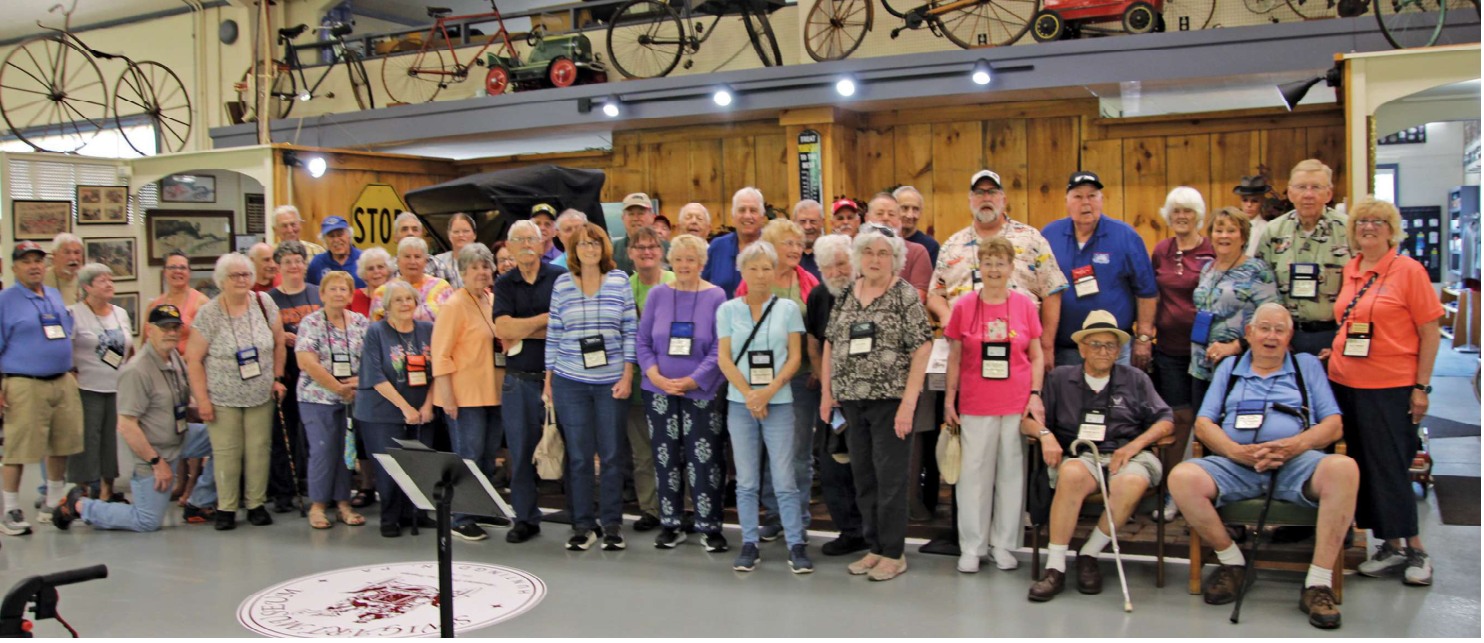
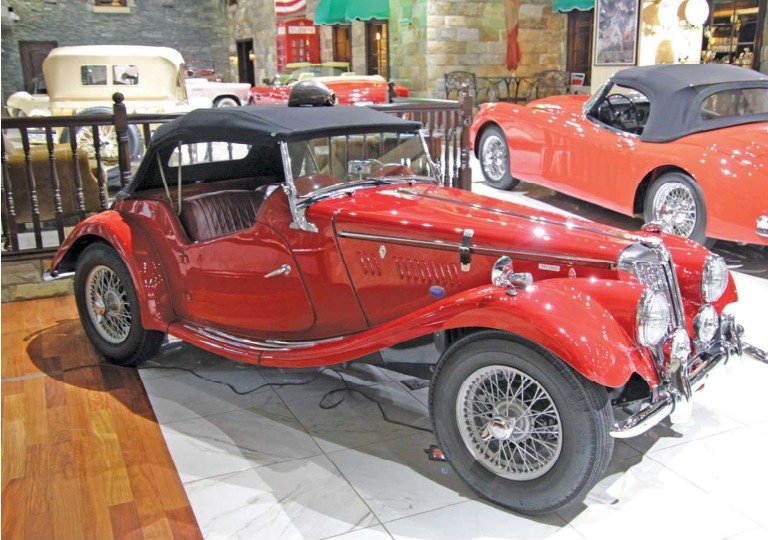
Continuing on our day’s journey we visited the Swigart Antique Car Museum. Even though Pat Swigart had recently passed, this well-known and oft heralded automotive museum was open and ready for all to peruse. If you are a car person it is a “must” stop. We gathered for a group photo and all enjoyed the vast array of collectibles on hand.
The last scheduled stop for the day was at the Broad Top Area Coal Miners Museum in Robertsdale. Housed in a repurposed movie theatre, it told the story of the life of a coal miner in an area where the mines were neither deep nor very large and their lifestyle was not dominated by a large mining operation.
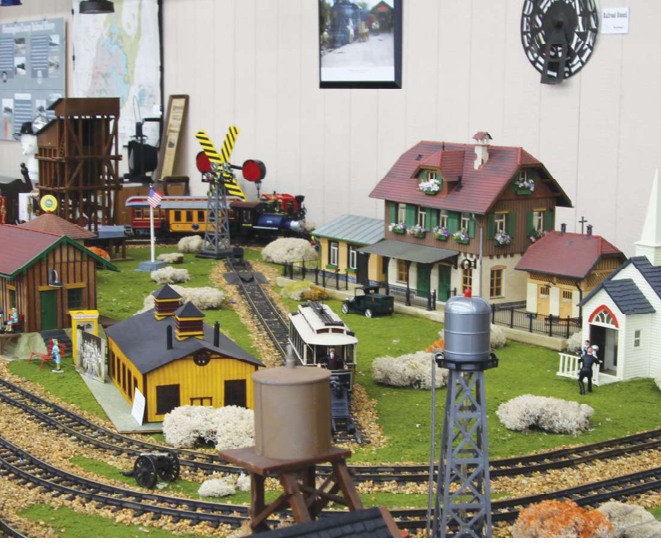
Wednesday was Altoona Day. Altoona is situated in the central area of Pennsylvania and is surrounded by mountains to the east and west. Unbeknownst to most of us, it was the home of the famous Pennsylvania Railroad. We visited the massive Rail Road Museum and had our lunch (from Subway) on the 3rd floor. In addition to displays depicting almost every facet of this massive manufacturing facility, they also had some interesting movies about the industry and the city it would become.
Before heading up to Horseshoe Curve, we did a short detour over to Lenny’s Car Collection on Greene Ave. To say the cars were spectacular might not really do them justice, but I must say they did shine. Predominantly of British manufacture, they were however mostly the “top-of-the-line” models chosen by the owner of the collection who procured them because he liked them, not because he thought you and I might like them. The two docents did a fine job telling us about the cars. All too soon we found our way heading out of town to Horseshoe Curve.
The curve has nothing to do with horses or shoes. It represents a tribute to the engineering wherewithal of the railroading industry to solve the problem of east-west travel by train. This problem could have easily been solved in this century considering the machinery and technology we have access to. However, back then, it was pick and shovel and men and mules and lots of them. Horseshoe Curve allowed Philadelphia to be connected to Pittsburgh and then Chicago and then onto the West. It made the name “Pennsylvania Railroad” a household name.
Following the tour, we gathered for a banquet/dinner at the Prime Sirloin Buffet in Duncansville and afterwards held a club meeting.
Our thanks go out to Eileen and Matthew Eby, who were our tour masters, and also to Penny and Scott Smith who, among other things, engineered the first day of the tour.
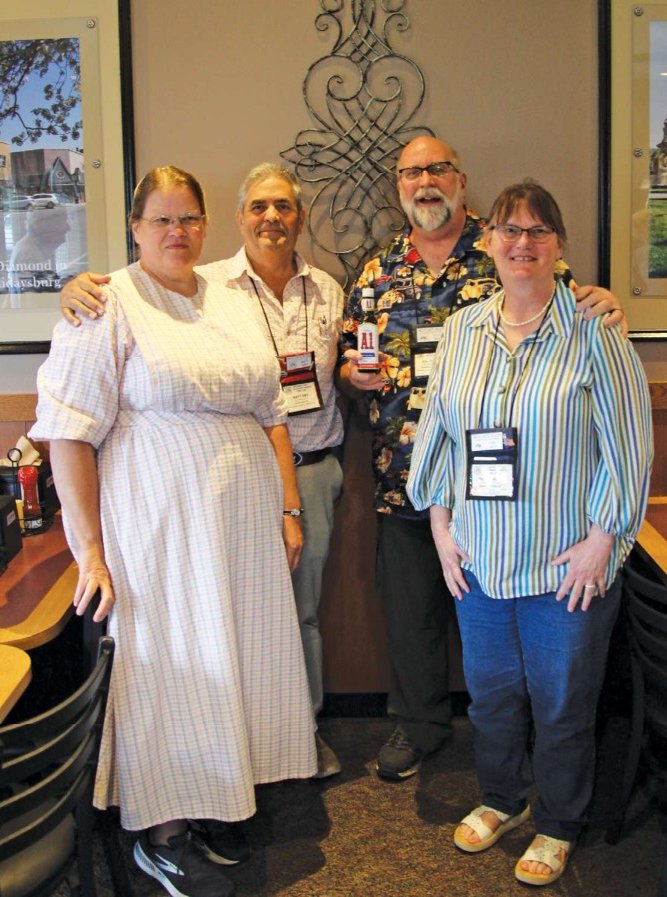
Photos by Trisha Copley
